
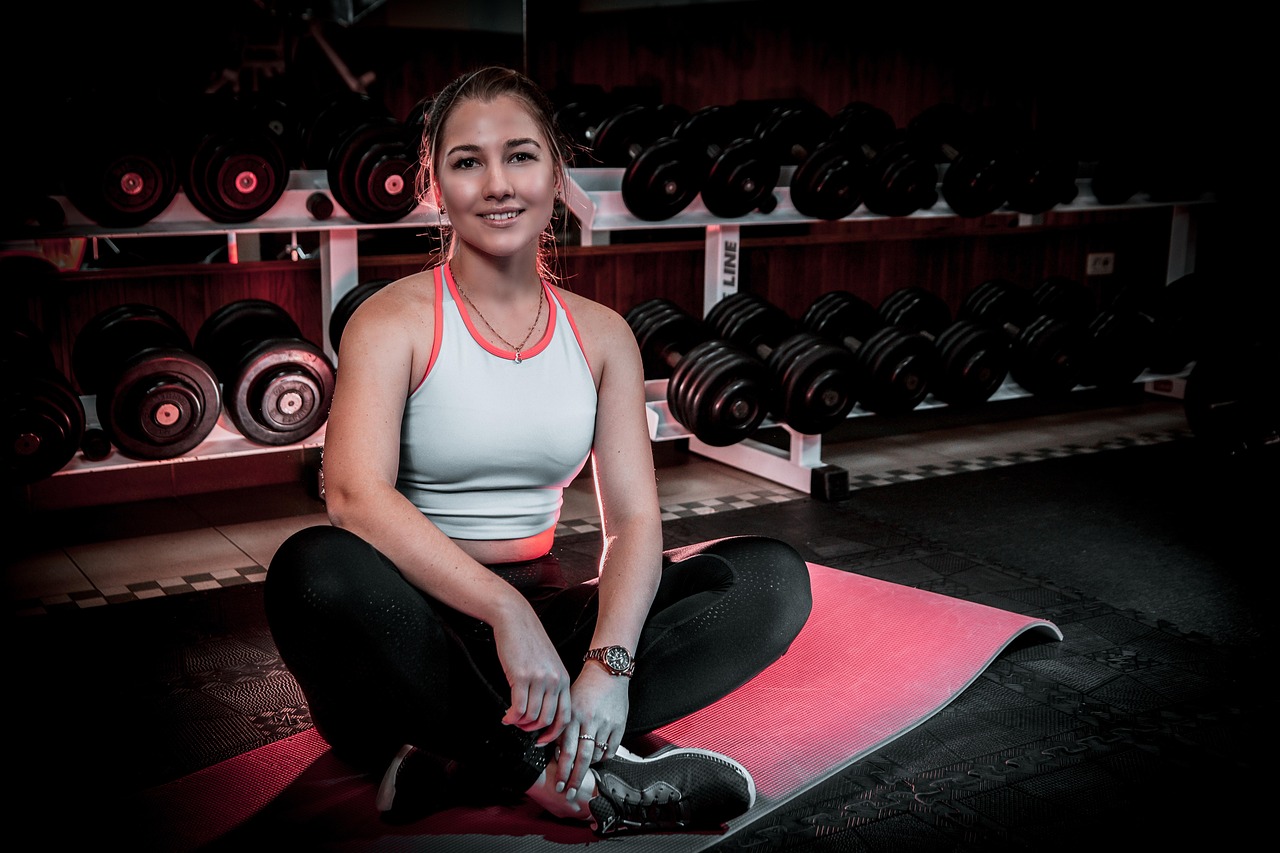
Feeling stiff after a long day? Experiencing limited movement during your workouts? Or perhaps you’re simply looking for a proactive way to maintain your physical well-being as you age? A well-designed full body stretching routine is your answer. It’s more than just a pre-workout warm-up or a post-exercise cool-down; it’s a vital practice that unlocks greater flexibility, enhances mobility, reduces the risk of injury, and significantly improves your overall quality of life. This detailed guide will walk you through the immense benefits and provide you with a comprehensive, actionable routine to transform your body and mind.
Unlock Your Body’s Full Potential: Why Full Body Stretching is Essential
In our increasingly sedentary world, our bodies often pay the price with stiffness, reduced range of motion, and chronic pain. Regular full body stretching counters these effects, promoting not just physical agility but also mental clarity. It’s a fundamental component of any holistic health and fitness regimen.
The Multifaceted Benefits of Regular Stretching
Incorporating a consistent stretching practice into your life yields a wide array of advantages that extend far beyond simply touching your toes.
Improved Flexibility and Mobility: This is the most obvious benefit. Stretching lengthens muscles and improves the elasticity of connective tissues, allowing your joints to move through their full range of motion.
Reduced Muscle Stiffness and Tension: Whether from exercise, stress, or prolonged sitting, stretching helps release built-up tension, alleviating aches and pains.
Enhanced Posture: Strong, flexible muscles support proper skeletal alignment. Stretching can help correct muscular imbalances that contribute to poor posture, reducing strain on your spine.
Increased Blood Flow: Stretching boosts circulation to your muscles, delivering vital nutrients and oxygen while helping to remove metabolic waste products, aiding in muscle recovery.
Stress Relief and Mental Well-being: The focused breathing and mindful movement during stretching can be incredibly calming, reducing mental stress and promoting relaxation. Studies show stretching can significantly lower cortisol levels.
Better Athletic Performance: Increased flexibility and mobility allow for more powerful and efficient movements, improving performance in sports and daily activities.
Beyond Flexibility: Injury Prevention and Performance
While often overlooked, stretching plays a crucial role in safeguarding your body against common injuries and optimizing your physical capabilities.
Injury Prevention: Flexible muscles are less likely to tear or strain under sudden movements. By improving your range of motion, stretching helps prepare your muscles and joints for the demands of physical activity, significantly reducing the risk of sprains, strains, and pulls.
Improved Balance and Coordination: Enhanced mobility and body awareness contribute to better balance, which is especially important as we age to prevent falls.
Faster Muscle Recovery: Post-workout static stretching can help reduce post-exercise soreness (DOMS) by promoting blood flow and flushing out lactic acid, accelerating your return to peak performance.
Dynamic vs. Static: Choosing the Right Stretch for the Right Time
Not all stretches are created equal, and understanding the difference between dynamic and static stretching is key to building an effective and safe full body stretching routine.
Dynamic Stretching: Preparing for Action
Dynamic stretching involves moving your body through a full range of motion, preparing your muscles for activity without holding any particular stretch. Think of it as active warm-up.
When to use: Ideal before a workout, run, or any physical activity. It increases blood flow, raises core body temperature, and primes your nervous system.
Examples:
Arm Circles: Rotate arms forward and backward, gradually increasing the size of the circle.
Leg Swings: Swing one leg forward and backward, then side to side, maintaining control.
Torso Twists: Stand with feet shoulder-width apart, gently twist your torso from side to side.
Walking Lunges with Twist: Step into a lunge, then twist your torso towards the lead leg.
Actionable Takeaway: Always perform 5-10 minutes of light cardio (like brisk walking or jogging) before dynamic stretching to warm up your muscles safely.
Static Stretching: Enhancing Flexibility and Recovery
Static stretching involves holding a stretch for a sustained period, typically 20-30 seconds, at the point of mild tension, not pain.
When to use: Best performed after a workout when muscles are warm, or as a standalone routine to improve overall flexibility and mobility. It’s excellent for cooling down and promoting muscle recovery.
Examples: (Will be detailed in the routine section below)
Actionable Takeaway: Never bounce during a static stretch, as this can activate the stretch reflex and increase the risk of injury. Breathe deeply and relax into the stretch.
Your Comprehensive Full Body Stretching Routine: A Step-by-Step Guide
This routine combines elements to target major muscle groups, promoting overall flexibility and mobility. Perform this routine 3-5 times a week, ideally after a workout or as a standalone session. Hold each static stretch for 20-30 seconds, breathing deeply.
Pre-Stretch Warm-up: Setting the Stage
Before diving into static stretches, ensure your muscles are warm.
Light Cardio (5-10 minutes): Brisk walking, light jogging, cycling, or jumping jacks.
Dynamic Stretches (5 minutes): Arm circles, leg swings, torso twists.
Upper Body and Neck Mobility
Targeting the often-tense areas of the neck, shoulders, and chest.
Neck Tilts: Gently tilt your head to bring your ear towards your shoulder. Hold, then switch sides.
- Neck Rotations: Slowly turn your head to look over one shoulder,