
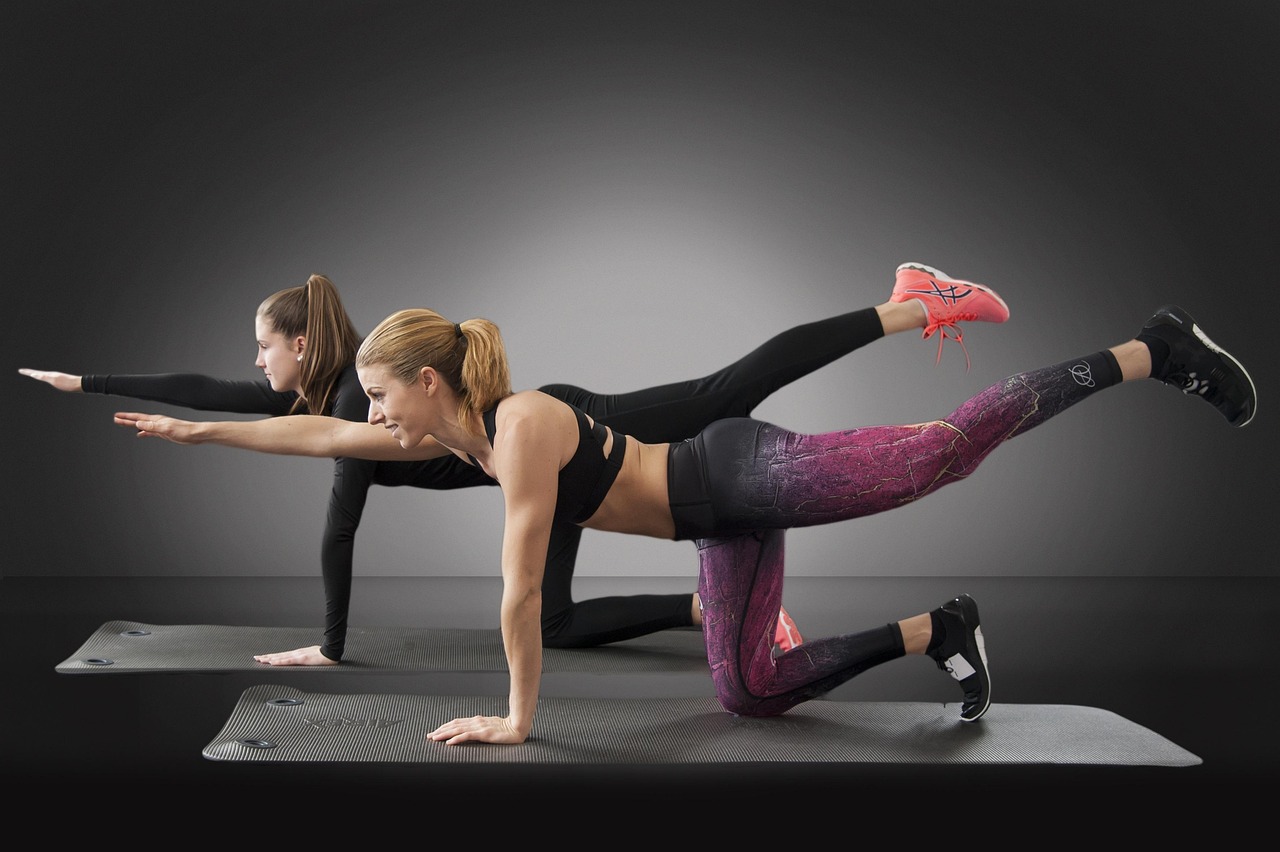
Embarking on a fitness journey doesn’t always require expensive gym memberships or complex equipment. Imagine building incredible strength, flexibility, and a profound connection with your body using nothing but your own weight. This is the essence of calisthenics – an ancient yet ever-relevant training methodology that empowers you to sculpt a powerful physique and enhance functional movement. Whether you’re a complete beginner looking to kickstart your fitness or a seasoned athlete aiming to refine your capabilities, a well-structured calisthenics routine can unlock a new realm of physical prowess and mental resilience.
What is Calisthenics and Why Should You Start?
Calisthenics is more than just a workout; it’s a discipline focused on mastering bodyweight movements to build strength, flexibility, and endurance. Originating from ancient Greece, the word itself combines “kallos” (beauty) and “sthenos” (strength), reflecting its dual emphasis on aesthetic form and functional power. By engaging multiple muscle groups simultaneously, calisthenics promotes holistic physical development, making it an excellent foundation for any fitness goal.
Defining Calisthenics
At its core, calisthenics involves exercises that use your own body weight as resistance. This can range from fundamental movements like push-ups and squats to advanced feats of strength and balance such as handstands and the human flag. The beauty lies in its scalability; almost every exercise has variations that can be made easier or harder, allowing individuals of all fitness levels to participate and progress.
The Unrivaled Benefits of Bodyweight Training
Choosing a calisthenics routine offers a plethora of advantages that extend beyond just physical appearance:
Accessibility: No gym? No problem. Calisthenics can be performed almost anywhere – at home, in a park, or even a hotel room. Minimal to no equipment is needed, making it incredibly cost-effective.
Functional Strength: Unlike isolated machine exercises, calisthenics movements mimic natural human movement patterns (pushing, pulling, squatting, hinging). This builds practical strength that translates directly into everyday activities and athletic performance.
Improved Body Awareness & Control: Mastering bodyweight exercises requires significant proprioception and neuromuscular control, leading to enhanced coordination, balance, and a deeper understanding of your body’s capabilities.
Enhanced Flexibility and Mobility: Many calisthenics movements inherently incorporate a full range of motion, contributing to improved joint mobility and flexibility, which can help prevent injuries.
Core Strength Development: Almost every calisthenics exercise engages the core muscles to stabilize the body, leading to a strong, resilient midsection.
Mental Fortitude: The progressive nature of calisthenics, where you constantly strive to master new skills and variations, builds incredible discipline, patience, and mental toughness.
Low Impact: Many bodyweight exercises are low impact, making them gentler on your joints compared to heavy weightlifting or high-impact cardio, especially for beginners.
Essential Calisthenics Movements for Beginners
Starting your calisthenics journey means focusing on foundational movements that build a strong base. These exercises target major muscle groups and are crucial for developing the strength and control needed for more advanced skills.
Building a Strong Foundation
Here are the cornerstone exercises every beginner should master:
Push-ups:
Muscles worked: Chest, shoulders, triceps, core.
How to: Start in a plank position, hands slightly wider than shoulder-width. Lower your chest towards the floor, keeping your body in a straight line, then push back up.
Variations: Start with knee push-ups or incline push-ups (hands on an elevated surface) if full push-ups are too challenging. Progress to diamond push-ups (hands close together) or decline push-ups (feet elevated) for more intensity.
Squats (Bodyweight):
Muscles worked: Quadriceps, hamstrings, glutes, core.
How to: Stand with feet shoulder-width apart. Lower your hips as if sitting in a chair, keeping your chest up and back straight. Aim for thighs parallel to the ground or lower. Push through your heels to return to standing.
Variations: Sumo squats (wider stance, toes out), pause squats (hold at the bottom), or progress to pistol squat progressions (single leg squat).
Pull-ups (or Inverted Rows):
Muscles worked: Back (lats), biceps, forearms, core.
How to (Pull-ups): Hang from a pull-up bar with an overhand grip, hands slightly wider than shoulder-width. Pull yourself up until your chin clears the bar, then slowly lower down.
* How to (Inverted Rows): If no bar is available or pull-ups are too hard, use a sturdy table or low bar. Lie on your back underneath, grab the